
From Vacancy to Cash Flow: How We Fill Units Fast (Even in Slow Months)
Table of Contents
1. Pricing Is a Strategy, Not a Guess
3. Marketing Where Renters Actually Look
5. Screening That Protects Owners
Frequently Asked Questions About Rental Vacancies
How long should a rental property stay vacant?
What is the biggest cause of long rental vacancies?
Does lowering rent help fill a vacancy faster?
What is the fastest way to lease a rental property?
Should landlords market a unit before it becomes vacant?
Why is tenant screening important when filling vacancies quickly?
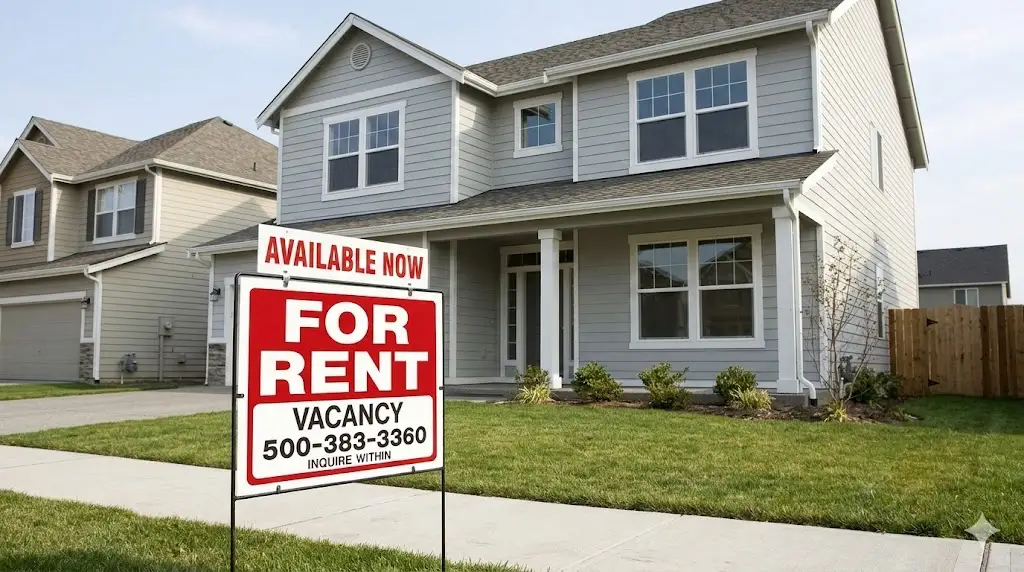
Vacancy is the silent killer of cash flow. One empty unit can erase months of profit if it drags on too long. And while spring and summer usually bring easier leasing, real operators don’t wait for “busy season” to get serious about filling units.
At Ironclad Property Management, we treat every vacancy like a fire. Here’s how we turn empty units into income, fast.
1. Pricing Is a Strategy, Not a Guess
The fastest way to kill leasing momentum is bad pricing.
We don’t guess. We:
Study real market comps
Track days-on-market, not just rent averages
Adjust quickly if traffic is slow
A unit priced $100 too high can sit for weeks. A unit priced correctly often rents in days.
2. Speed Wins
The longer a unit sits, the more it costs.
Our rule is simple:
Inspections happen immediately after move-out
Turnover work is scheduled, not “fit in”
Marketing starts as soon as we know a unit is coming vacant
Days matter. Every day saved is money earned.
3. Marketing Where Renters Actually Look
Posting in one place and hoping is not a strategy.
We market units:
Across multiple rental platforms
With clean photos and clear descriptions
With fast response to inquiries
People rent the unit they see first , and the one that answers them back.
4. Showings That Convert
A showing isn’t just opening a door.
We focus on:
Professional presentation
Honest communication
People don’t rent buildings. They rent how a place makes them feel.
5. Screening That Protects Owners
Fast leasing means nothing if you fill with the wrong tenant.
We screen for:
Income stability
Background and eviction records
Real-world risk, not just checkboxes
Good tenants save more money than fast tenants.
Vacancy is not a season, it’s a problem that needs a system.
The owners who protect their cash flow are the ones who treat leasing like a process, not a hope.
At Ironclad Property Management, we don’t wait for units to rent. We make them rent fast, smart, and with the right people inside.
Are you struggling with prolonged vacancy? Schedule a time connect with our expert team.
Frequently Asked Questions About Rental Vacancies
How long should a rental property stay vacant?
In most healthy rental markets, a well-priced and well-marketed property should lease within 2–4 weeks. If a unit sits longer than that, it usually indicates pricing issues, poor marketing exposure, or delayed turnover preparation.
What is the biggest cause of long rental vacancies?
The most common cause is incorrect pricing. If a rental is priced above comparable properties, potential tenants simply move on to the next listing. Other factors can include poor marketing photos, slow response to inquiries, or delayed maintenance after move-out.
Does lowering rent help fill a vacancy faster?
Sometimes, yes. Adjusting rent to align with the market can dramatically increase showing activity. However, experienced property managers analyze comparable rentals, demand levels, and days on market before recommending a price change.
What is the fastest way to lease a rental property?
The fastest leasing strategies typically include:
Accurate rental pricing based on local comps
Professional listing photos and clear descriptions
Marketing across multiple rental platforms
Immediate response to tenant inquiries
Easy showing scheduling
These factors increase visibility and improve conversion from inquiry to signed lease.
Should landlords market a unit before it becomes vacant?
Yes. Many professional property managers begin marketing as soon as notice is received from the current tenant. Pre-leasing allows owners to reduce vacancy days and sometimes secure a new tenant before the previous one moves out.
Why is tenant screening important when filling vacancies quickly?
Speed matters, but tenant quality matters more. Proper screening helps verify income, rental history, and background information to ensure the tenant is reliable. Filling a vacancy with the wrong tenant can lead to costly problems like missed rent payments or evictions.